
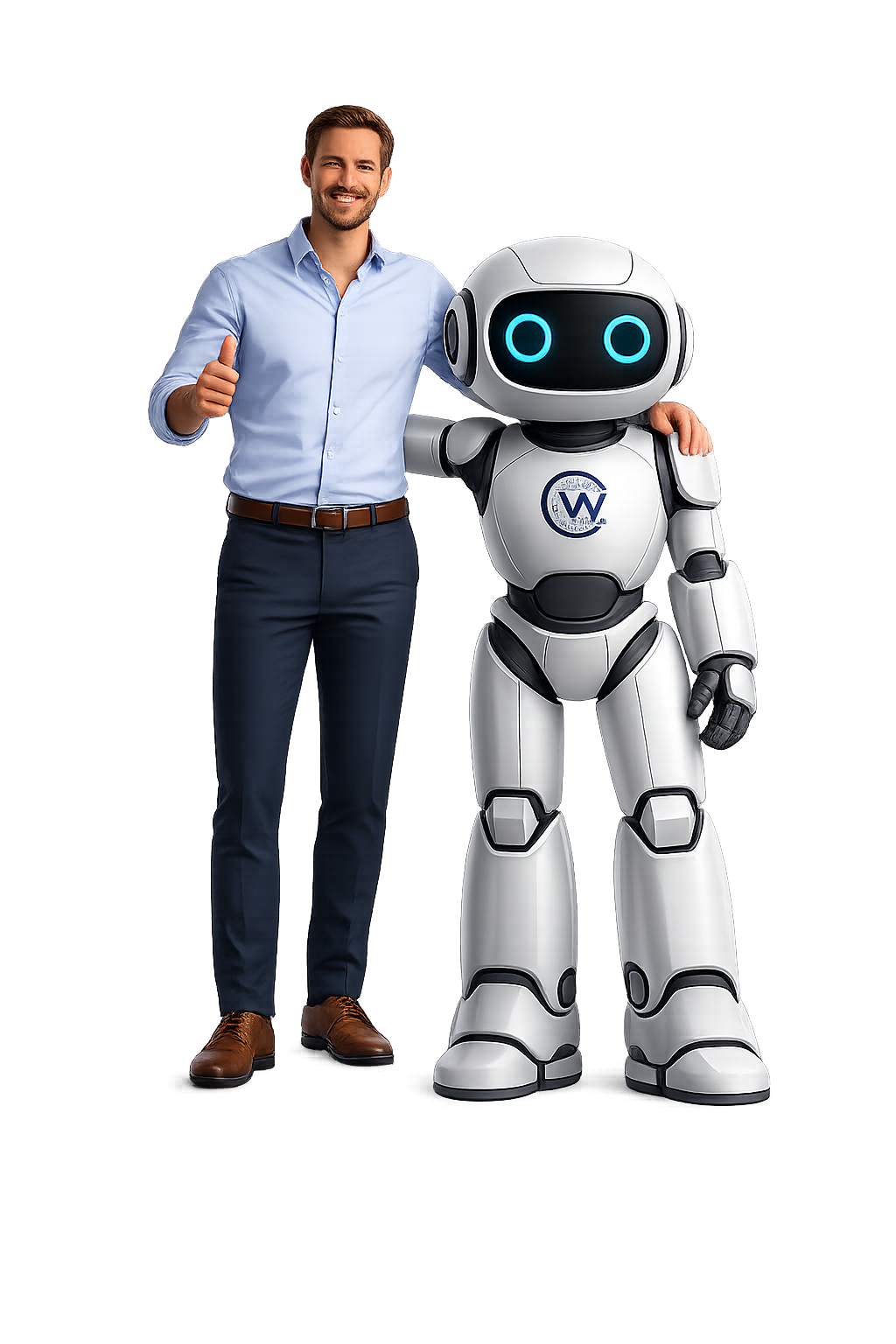
Customers no longer move through a neat funnel. They ask questions at midnight, compare options on mobile, abandon carts after spotting a delivery fee, and return days later through a completely different channel. Conversational AI helps brands respond to those moments with speed and context, while automated seo supports the content signals that bring the right people into those conversations. When both work together, automated seo improves discovery, conversational tools improve engagement, and the journey feels less like a campaign and more like useful guidance. For growing teams, automated seo also helps keep messaging aligned across pages, search intent, and customer questions. The result is a marketing system where automated seo feeds visibility and conversational AI turns attention into action.
Personalization starts with understanding what people want before they have to explain everything from scratch. A chatbot or virtual assistant can read intent from a question, recall past behavior, and suggest the next best step. At the same time, automated seo helps marketers identify the topics, phrases, and pain points that deserve better answers. Instead of guessing what customers need, teams can use automated seo to map common searches to helpful content and then let conversational AI deliver that content in a friendly way. This makes automated seo more than a traffic tool; it becomes part of the customer experience. When automated seo informs the conversation layer, each interaction feels more relevant.
The strongest customer journeys usually blend human empathy with machine efficiency. Conversational AI can qualify leads, recommend products, schedule demos, and hand complex cases to a person without forcing customers to repeat themselves. Meanwhile, automated seo keeps the brand present when buyers begin researching independently. A visitor might arrive because automated seo helped a guide rank for a specific problem, then stay because the assistant answers a follow-up question instantly. Another visitor may return later after automated seo surfaces a comparison page that matches their intent. In both cases, automated seo and conversational AI reduce friction at different stages of the same journey.
Turning Search Intent Into Better Conversations
Search behavior reveals what customers are trying to solve, and conversational AI gives marketers a direct way to respond. If people frequently search for pricing, implementation time, or product differences, automated seo can help prioritize those themes across landing pages and knowledge bases. Once visitors arrive, the assistant can continue the same thread by offering a calculator, a checklist, or a tailored recommendation. This is where automated seo earns a practical role beyond rankings. By shaping content around genuine questions, automated seo gives conversational AI stronger material to use in real time.
A personalized journey also depends on timing. Too many brands offer the same pop-up, discount, or scripted message to every visitor, even when needs differ widely. Conversational AI can detect whether someone is browsing casually, comparing vendors, or ready to buy. Automated seo adds another layer by showing which entry pages and queries usually lead to each type of behavior. With that insight, automated seo can support segmented content paths instead of one generic route. Over time, automated seo helps marketers refine which messages deserve to appear earlier, later, or only after a specific signal.
Using Data Without Losing the Human Touch
Personalization should feel helpful, not invasive. Conversational AI performs best when it uses data to reduce effort rather than pressure people into decisions. For example, an assistant can remember a customer’s product category, preferred budget, or support issue and use that context to avoid repetitive questions. Automated seo contributes by making sure educational content is easy to find, clear to read, and connected to the right intent. When automated seo is handled thoughtfully, customers reach answers faster without feeling tracked. The balance matters: automated seo should improve relevance, while conversational AI should preserve trust.
Marketing growth often comes from removing small obstacles at scale. A confusing product page, a vague FAQ, or a slow response can quietly cost conversions. Conversational AI can fix many of those gaps by responding instantly and guiding visitors toward the next step. Automated seo helps uncover which gaps matter most by showing where users search, click, hesitate, and leave. If automated seo highlights repeated demand for a topic, the assistant can be trained to address it clearly. In that sense, automated seo becomes a feedback loop, not just an optimization checklist.
Building a Journey That Learns Over Time
The best systems improve with every interaction. Questions asked through chat can reveal missing content, unclear positioning, and objections sales teams hear every day. Automated seo can then turn those insights into better pages, stronger snippets, and more useful resources. When new content performs well, conversational AI can recommend it with greater confidence. This cycle gives automated seo a natural connection to customer service, sales enablement, and retention. Instead of living in a silo, automated seo becomes part of a broader growth engine powered by real conversations.
For marketers, the practical takeaway is simple: do not treat conversational AI as only a support widget or automated seo as only a ranking tactic. Together, they can shape a journey that begins with discovery and continues through education, purchase, and loyalty. A customer who finds a helpful article through automated seo may ask a chatbot for product fit, receive a personalized suggestion, and later get guided to onboarding content. Another customer may use automated seo-driven resources to compare options before speaking with sales. Each path is different, but automated seo helps create the entry points while conversational AI adapts the experience.
Growth depends on relevance, and relevance depends on listening well. Conversational AI listens in the moment; automated seo listens through search patterns, content performance, and intent signals. When these insights are combined, brands can write better answers, design smarter journeys, and reduce the distance between interest and action. Automated seo brings qualified attention to the door, while automated seo insights make the conversation more useful once someone enters. With disciplined execution, automated seo supports not just visibility but deeper personalization across the full customer lifecycle.
The future of marketing will be shaped by systems that feel responsive without feeling robotic. Conversational AI can provide that responsiveness when it is trained on accurate content, clear brand standards, and real customer needs. Automated seo helps maintain that foundation by keeping content aligned with what buyers are actively seeking. As markets grow more competitive, automated seo will matter most when it improves the entire experience, not just search placement. Brands that connect automated seo with conversational AI will be better positioned to guide customers naturally from curiosity to confidence.